
Wine tasting has a way of slowing everything down. The pace becomes quieter. Conversations linger longer. A single glass invites you to notice details you would normally miss.
For many first-time visitors, though, wine tasting can feel intimidating before it even begins. People worry about using the wrong terms, holding the glass incorrectly, or not knowing what they are supposed to taste. The reality is much simpler. A winery tasting is not a performance. It is an experience built around curiosity, conversation, and discovering what you enjoy.
A first winery visit feels easier than expected. Plan ahead, book early, eat before arrival, choose two stops, stay hydrated, ask simple questions, and let hosts guide each pour naturally.
What Happens During a Wine Tasting?
A typical wine tasting lasts between 45 minutes and an hour. You arrive at the winery, settle into the tasting space, and are guided through a curated selection of wines. Most tasting flights include four to six pours served in a specific order, usually beginning with lighter wines before moving into fuller reds.
The host introduces each wine, explains the grape variety or winemaking approach, and gives guests time to taste at their own pace. Some people prefer asking detailed questions while others simply enjoy the atmosphere and scenery. Both approaches are completely normal.
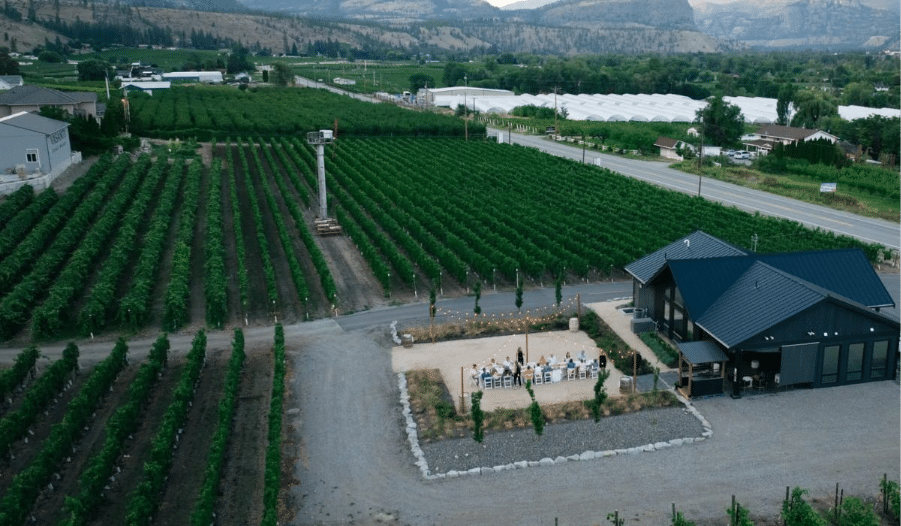
At estate wineries in regions like the South Okanagan, the experience often feels connected to the landscape itself. Vineyard views, warm afternoons, and small-lot wines create an environment that feels relaxed rather than formal. The goal is not to impress anyone with wine knowledge. The goal is to enjoy the experience and understand what appeals to your palate.
The Five Simple Steps of Wine Tasting
Professional sommeliers follow a structured tasting method, but beginners only need a few fundamentals to get more from each glass.
Look
Start by observing the wine in the glass. Hold it against a light background and notice the color and clarity. White wines may appear pale straw, golden, or bright citrus in tone. Red wines can range from light ruby to deep garnet.
The appearance gives small clues about the wine’s age, style, and body.
Swirl
Swirling the glass introduces oxygen into the wine and helps release aromas. A gentle circular motion is enough. You do not need dramatic movements or complicated technique.
Smell
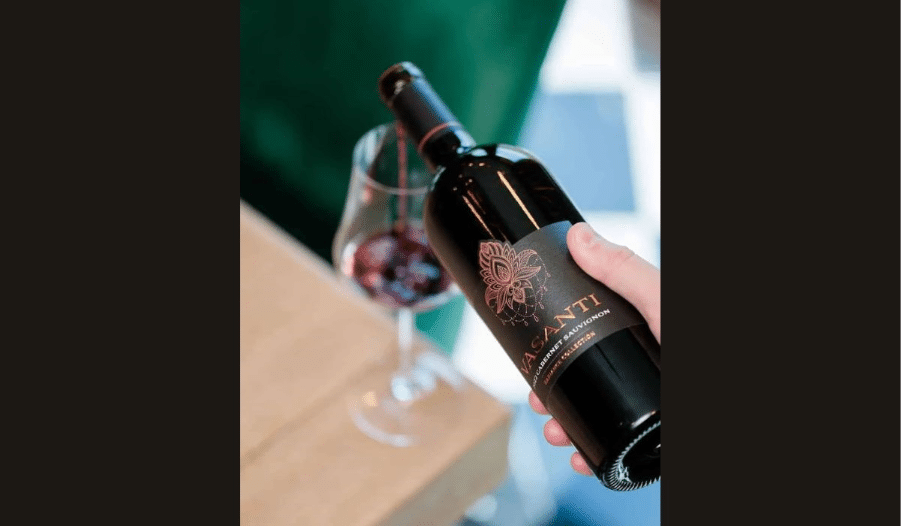
A large part of tasting wine comes from aroma. Before sipping, bring the glass close and take a slow inhale. You may notice fruit, floral notes, herbs, spice, oak, or earthiness.
There is no perfect answer when identifying aromas. If a wine reminds you of blackberry, cherry, vanilla, or even fresh herbs, that observation matters. Wine tasting is personal, and your impressions are valid.
Sip
Take a moderate sip and allow the wine to move across your palate. Pay attention to texture, acidity, sweetness, tannins, and finish.
Some wines feel crisp and bright. Others feel richer and more structured. Reds with higher tannins may create a drying sensation like black tea. Wines with vibrant acidity often feel refreshing and lively.
Savor
The final step is deciding whether you enjoyed the wine. That matters more than memorizing technical terms or identifying every aroma correctly.
Wine Tasting Etiquette That Actually Matters
Most tasting rooms are designed to feel welcoming, especially for beginners. A few simple habits help create a better experience for everyone.
Arrive on time for your reservation and avoid wearing strong perfume or cologne since heavy scents interfere with tasting. Hold the wine glass by the stem when possible, as warm hands can affect temperature.
It is also perfectly acceptable to ask questions. Winery hosts expect curiosity, not expertise. Questions about grape varieties, food pairings, or vineyard practices often lead to the most memorable conversations.
Pacing yourself is equally important. Drink water throughout the tasting and avoid rushing through pours. Wine tasting works best when you slow down enough to notice subtle details.
Many wineries also provide a spit bucket or dump bucket. Using it is completely normal, especially when visiting multiple wineries in one day.
Common Mistakes First-Time Visitors Make
Moving Through Wines Too Quickly
Rushing through multiple pours reduces sensory clarity, weakens palate sensitivity, and prevents appreciation of subtle texture, aroma, and structure.
Searching for Correct Answers
Wine tasting remains subjective, where individual perception matters more than technical accuracy, creating unique personal interpretations across every glass experienced.
Planning Excessive Winery Visits
Over-scheduling multiple winery stops in one day leads to fatigue, reduced attention, and diminished enjoyment of each tasting experience overall.
Ignoring Food and Hydration
Skipping meals and water before tasting affects balance, reduces comfort, and intensifies alcohol impact, limiting overall enjoyment throughout the experience.
Why Wine Tasting in the Okanagan Feels Different
The Okanagan Valley has become one of Canada’s most exciting wine regions because of its climate, geography, and winemaking culture. Warm days, cool evenings, and diverse soil conditions create wines with freshness, balance, and complexity.
Wine tasting here often feels more intimate than larger wine destinations. Many wineries focus on small-lot production, estate-grown fruit, and personal hospitality. Visitors are not simply tasting wine. They are learning about the vineyard, the land, and the people behind each bottle.
In Oliver and the South Okanagan, vineyard landscapes stretch alongside mountains, lakes, and desert terrain. The setting naturally encourages people to slow down and stay present throughout the tasting experience.
Enjoy the Experience, Not Just the Wine
A memorable tasting may come from a wine you unexpectedly loved, a story shared by the host, or simply an afternoon spent overlooking the vineyard with friends.
Over time, your palate will develop naturally. The more wines you explore, the more confident and comfortable you become identifying styles and preferences.
For those looking to experience wine tasting in the South Okanagan, Vasanti Estate Winery offers a welcoming introduction to estate-grown wines and vineyard hospitality. Located in Oliver, British Columbia, the winery combines small-lot craftsmanship, scenic vineyard views, and thoughtfully guided tastings designed for both beginners and longtime wine enthusiasts.