

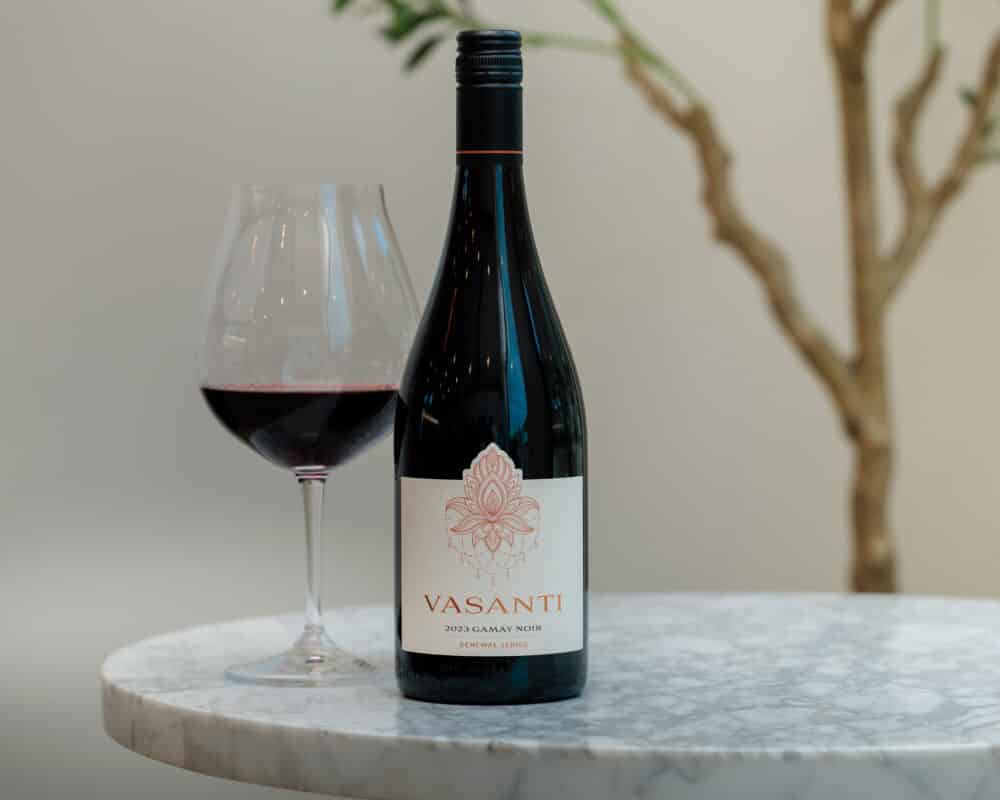
What Is Gamay Noir? A Guide to the Light, Perfumed Red
If you’ve ever poured a red wine so light and bright that it felt more like a juicy invitation than a heavy commitment, you may already be a Gamay Noir fan without knowing the grape’s name. Of all the types of wines out there, this is one of the most underrated – and the easiest to love. Here’s everything you need to know, with bottles you can actually taste behind it.
What is Gamay Noir?
Gamay Noir – often called simply Gamay – is a red wine grape with deep roots in the Beaujolais region of France. It makes its home in the granite and schist hills just south of Burgundy, and to this day, it is the rare grape that built an entire wine country around it.
What sets it apart? Stain you’d expect: Gamay is a light, low-tannin red that’s meant to be poured generously, enjoyed young, and drained quickly. It’s the red you bring to a party and finish before the night does.
Why do people call Gamay “the light, perfumed red”?
Two honest descriptors, both backed up by the fruit itself.
Light. Hold a glass of Gamay up to the light and it’s translucent, barely more than a blush of ruby. It’s the anti-meaning-of-dark, the backyard vine that doesn’t take itself too seriously.
Perfumed. Gamay dresses its aroma up in spring blooms and fresh red berries – strawberry, raspberry, cherry, a twist of violet and cracked pepper. Nothing heavy, nothing thick. Just enough perfume to pull your nose in for one more sniff.
That combo is what makes Gamay Noir so appealing to people who find full-bodied reds a little too heavy.
What does Gamay Noir taste like?
Open your mental tasting room. Swirl it and you’ll find:
- Strawberry, raspberry, and red cherry
- Bright floral notes of violet
- A whisper of cracked white pepper
- Lovely, thirst-quenching acidity
- Low, gentle tannins
The finish is meant to tantalize – long, soft, and bright. It’s the reason Gamay works so beautifully as a crowd-pleasing, food-friendly red.
Gamay Noir vs. Pinot Noir
If you know Pinot Noir, you’ve met Gamay’s lighter cousin. Both are light-bodied, perfumed reds you serve slightly cool. But where Pinot chased elegance and fine bones, Gamay leans juicier and a touch more generous – a fresh-fruit-for-the-table red rather than a wine filed under “cellar.” It’s often compared to how Beaujolais meets Burgundy: same family feeling, more party.
What to pair with Gamay Noir
Gamay is one of the most forgiving reds at the table, so the pairing list is long. Great matches include:
- Roasted chicken and pork
- Charcuterie and soft cheeses
- Grilled vegetables
- Mushroom dishes
- Salmon and lighter game
- Charcuterie boards and baguette
It’s also the rare red that sips well barely chilled, which makes it the perfect red to pour on a warm patio summer evening.
Ready to taste it
Knowing what Gamay is on paper only gets you so far. The more useful next step is shallow and opposite of the paper: taste it. Our estate-grown 2023 Gamay Noir is perfumed, with elegant red fruit notes and a long, tantalizing finish, from a vineyard that’s been wrapped in the South Okanagan sunshine from bud to harvest. It’s small-batch, estate-grown, and worth bringing into your next meal.
For the full Gamay story, keep going.
The Reserve Gamay Noir: for the deep wanting
For those who’ve already met the grape, we’ve made a 2023 Reserve Gamay Noir from the seven best barrels of the vintage – a smaller, more concentrated take that’s exclusively for wine club members. If you want the way step from a great everyday red to a bottling you won’t soon forget, that’s the one.
Keep exploring
If you found this guide useful, you might like our taste notes on other estate varietals, or the story of wine itself. Pour a little curiosity in the glass, and it never runs dry.