
How Grapes Shape the Taste?
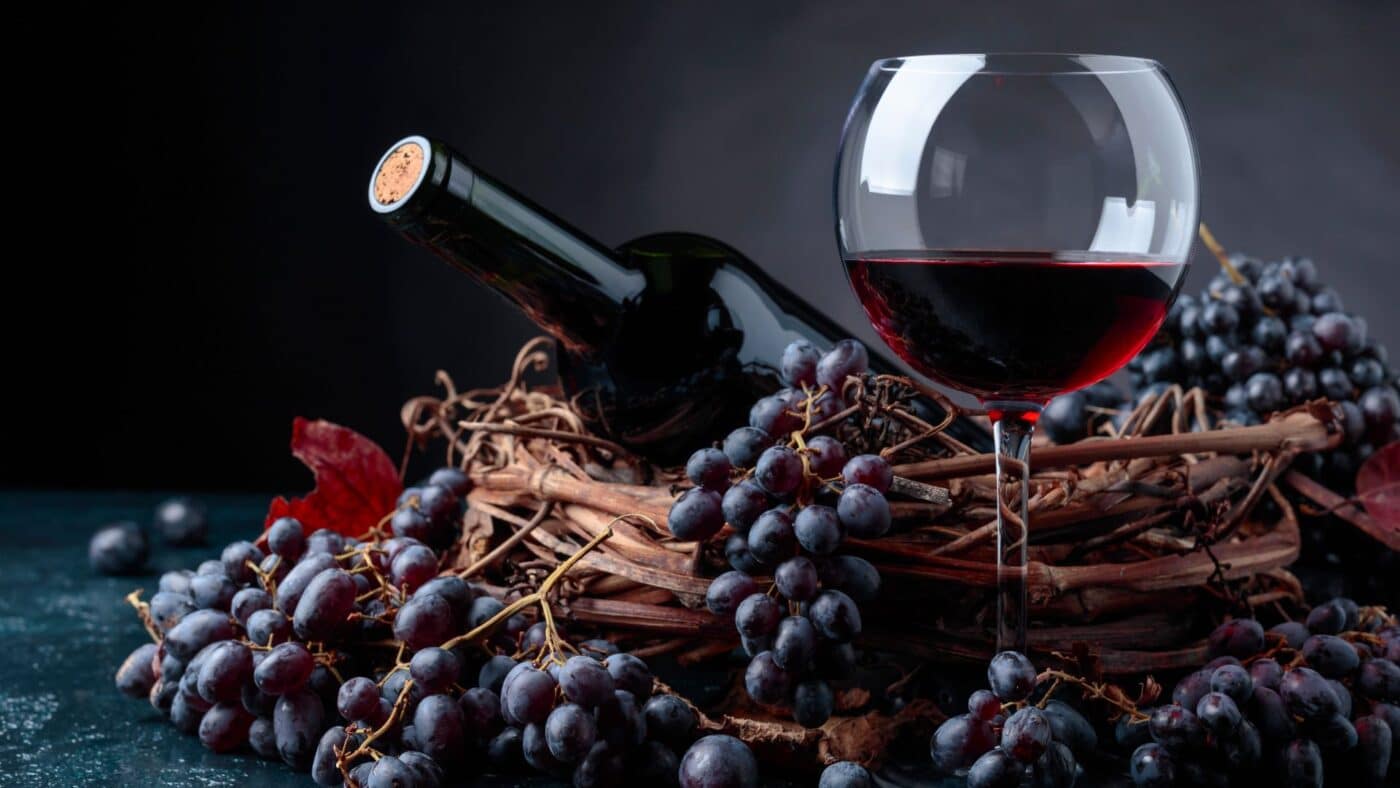
The journey of wine begins in the vineyard. The type of grape, the soil, and the weather all affect the final taste.Important Factors That Influence the Process:
- Tannins: These natural compounds come from grape skins and seeds. They give the wine its structure and dry feeling in the mouth.
- Acidity: This gives the wine freshness. A good balance of acidity makes a wine taste lively instead of flat.
- Sugar Levels: The amount of sugar in grapes determines how much alcohol the wine will have.
- Grape Skin Pigments: These give the wine its deep, red color. The more time the juice stays with the skins, the darker the wine.
From Grapes to Red Wine: The Fermentation Process
Once the grapes are harvested, they are crushed to release their juice. This juice then goes through fermentation, where yeast converts sugar into alcohol.Steps in Fermentation:
- Yeast Selection: The type of yeast used affects the aroma and taste of the wine.
- Temperature Control: Cooler temperatures keep fruity flavors, while warmer temperatures create stronger tannins.
- Malolactic Fermentation: This is a second step where acids in the wine are softened, making it smoother to drink.
Aging: How Time Makes the Wine Better
After fermentation, red wine is aged to develop more complex flavors. Aging helps soften tannins and blend different taste elements together.Ways a Wine is Aged:
- In Stainless Steel Tanks: Keeps the wine fresh and fruity.
- In Oak Barrels: Adds flavors like vanilla, spice, and smokiness.
- In Bottles: Allows the wine to develop new flavors over time.
Red Wine in Oliver: A Perfect Connection
Oliver, often called the Wine Capital of Canada, is one of the best places for producing red wine. The region’s warm climate, combined with cool nighttime temperatures, allows grapes to develop rich flavors while maintaining balanced acidity. The diverse soil types, ranging from gravel to clay, influence the depth and structure of the wines. With a long growing season, red grape varieties like Cabernet Sauvignon, Merlot, and Gamay Noir achieve full ripeness, resulting in bold, expressive, and age-worthy wines. This unique combination of climate, soil, and expert winemaking makes it a prime location for crafting some of the finest wines in the country.The Best Red Wines: Understanding Their Unique Taste
Each wine has its own special qualities. Some are light and fruity, while others are bold and rich. Here are some examples of fine red wines:2022 Gamay Noir – Light and Refreshing
- A fruit-forward wine with flavors of black cherry and cranberry.
- Best served slightly chilled for a crisp and fresh taste.
- Aged in neutral oak barrels to keep its natural fruitiness.
2021 Merlot – Smooth and Well-Balanced
- A medium-bodied wine with flavors of plum and mocha.
- Soft tannins make it easy to drink and pair with food.
- Grown in cooler climates for balanced acidity.
2021 Cabernet Merlot – A Perfect Blend
- A combination of Merlot’s softness and Cabernet’s boldness.
- Aged for 19 months in oak barrels, adding layers of spice and depth.
- A great wine for those who enjoy a smooth but complex taste.
2021 Cabernet Sauvignon – Bold and Strong
- A full-bodied wine with flavors of blackcurrant and cedar.
- High tannins make it ideal for long-term aging.
- The kind of wine that gets better with time.
Serving and Storing Wine the Right Way
Wines taste best when served properly. The right temperature, aeration, and glassware can enhance its flavors, while careful storage ensures it stays enjoyable for longer.How to Serve the Wine for the Best Taste?
- Get the Temperature Right: Light reds are best at 12-14°C, while fuller-bodied reds shine at 16-18°C.
- Let It Breathe: Decanting for 30-60 minutes softens tannins and brings out aromas.
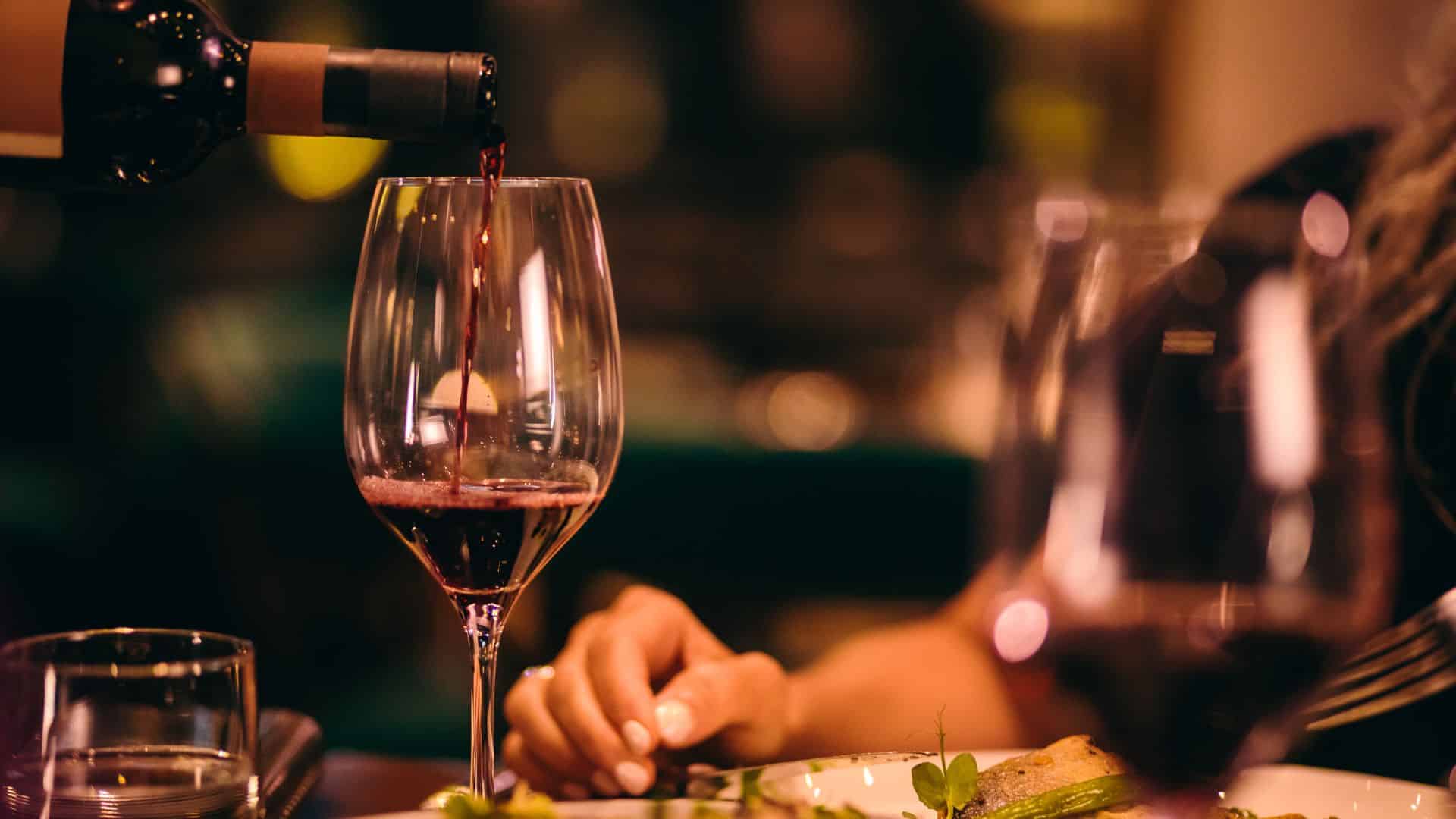
- Use the Right Glass: A wide-bowled glass helps aerate the wine, unlocking deeper flavors.
How to Make Your Wine Last Longer?
Not finishing a bottle? Here’s how to keep it fresh for days:- Re-cork It Properly: Insert the cork tightly or use a wine stopper to limit oxygen exposure.
- Store It Upright: This reduces surface area exposed to air, slowing oxidation.
- Keep It Cool: Refrigerate an opened bottle at 12-15°C to preserve flavors.
- Use a Vacuum Pump: Removing air from the bottle helps extend its life by a few days.
- Try an Inert Gas Preserver: Spraying argon or nitrogen into the bottle creates a protective layer over the wine.